
Facility Verification
Please verify the inmate's facility before purchasing.
This Publication is Restricted at this Facility.
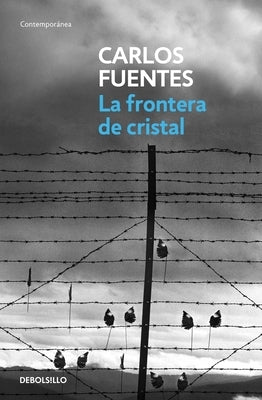

Descripción
Author: Carlos Fuentes
Publisher: Debolsillo
Published: 09/27/2016
Pages: 280
Binding Type: Paperback
Weight: 0.50lbs
Size: 7.40h x 4.90w x 0.80d
ISBN13: 9786073144674
ISBN10: 6073144679
Language: Spanish
BISAC Categories:
- Fiction | Literary
About the Author
Carlos Fuentes (1928-2012). Connoted intellectual and one of the main exponents of Mexican narrative, he has a vast body of work that includes novels, short stories, plays, and essays. He received numerous awards, among them the following: Biblioteca Breve Prize 1967 for Cambio de piel; Xavier Villaurrutia Prize and Rómulo Gallegos Prize for Terra nostra; Alfonso Reyes International Prize 1979; National Prize for Sciences and Arts in Linguistics and Literature 1984; Cervantes Prize 1987; Order of Cultural Independence Rubén Darío, awarded by the Sandinista Government, 1988; Italo-American Institute Prize 1989 for Gringo viejo; Rectoral Medal of the University of Chile, 1991; Condecoration with the Order of Merit of Chile, in the degree of Commander, 1993; Prince of Asturias Award 1994; Grinzane Cavour International Prize 1994; Picasso Prize, awarded by UNESCO, 1994; Cervantes Prize, 1987; Latinity Prize awarded by the Brazilian and French Academies of Language, 2000; Legion of Honor of the French Government, 2003; Roger Caillois Prize 2003; Royal Spanish Academy Prize 2004 for En esto creo; Galileo 2000 Prize, Italy, 2005; Grand Cross of the Order of Isabella the Catholic, 2008; Don Quijote de la Mancha International Prize 2008; Grand Medal of Verneil 2010; and Formento de las Letras Prize, 2011.