
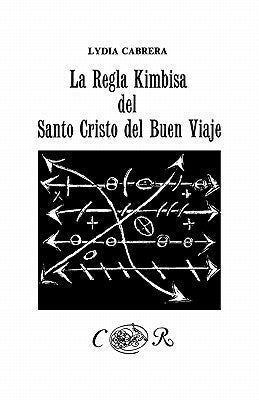

Descripción
The origins of the Palos Mayombe and Kimbiza are found in some African countries such as Zaire, Angola, Congo, Zambia, Namibia and in all the countries where the Bantu tribes are found. The religion of Palo developed in Cuba, Haiti and other parts of the Caribbean. In mid-1841, the first group of people from different areas of Nigeria and from the Bantu tribes, the Calabar people, founded a society. This society is called the Abakuá society. The Abakuá society gave rise to the lineages of Palo Mayombe and Palo Kimbiza. While Palo Mayombe was very strong in Cuba, at the same time Mayombe and Kimbiza voodoo were developing and growing in Haiti. The Kimbiza tradition was brought to Cuba by Andrés Petit, a high priest and founder who held the title of Tata Nganga Nkisi Malongo. He is a very controversial figure because he not only brought forward the first Kimbiza house but also founded the first white society in the Abakuá lineage. He founded these societies in 1863 in the city of Guanabacoa, Cuba. Andrés Petit was called the Christ of Sorrows Mayombara Kimbiza Nuncatesia. Which means that he acted against the elders of Mayombe by initiating whites into the Abakuá and Kimbiza traditions. For this, he was condemned and marginalized, but his legacy left a thousand Kimbiza temples in the Cuba of that time. Kimbiza means to overcome. Kimbiza means that if we have faith in God and use everything that comes from tradition and the word of God and the ancient teachings of the Congo and Bantu peoples, who learned to respect Mother Nature and all her attributes, all these teachings together form a great body of knowledge. Kimbiza takes all this from the different spiritual religions that come from God to overcome evil in life. By having faith in the Almighty and by believing in yourself, respecting the teachings of your ancestors and applying all those teachings to your daily life, you save yourself, you achieve enlightenment and also, you save others and help them find themselves in this concrete jungle that we call the new world. In Africa, this tradition is not known as Palo. This tradition is known as Yimbola. It is the practice of African shamans only because in many of those countries, the ruling class is Muslim. This is why the ranks in those traditions, as well as greetings such as: Sala Maleco, Maleco Sala belong to Muslim customs. This is a greeting used by the paleros of the Kimbiza and Mayombe traditions. The difference between Mayombe and Kimbiza is that Mayombe is strictly Congo and is not mixed with esoteric beliefs or spiritualism or Catholicism or Ocha. It is a pure Congolese religion that venerates ancestors through the cauldron. Kimbiza, on the other hand, has a lot of Mayombe, voodoo, spiritualism, esotericism, shamanism, Catholicism and Ocha. Although Kimbiza is much closer to Ocha than to Mayombe.
Author: Lydia Cabrera
Publisher: Ediciones Universal
Published: 03/22/2011
Pages: 96
Binding Type: Paperback
Weight: 0.29lbs
Size: 8.50h x 5.50w x 0.23d
ISBN13: 9780897293969
ISBN10: 0897293967
Language: Spanish
Large Print
BISAC Categories:
- Social Science | Cultural & Ethnic Studies | American | African American & Bl
- History | Caribbean & West Indies | Cuba
Author: Lydia Cabrera
Publisher: Ediciones Universal
Published: 03/22/2011
Pages: 96
Binding Type: Paperback
Weight: 0.29lbs
Size: 8.50h x 5.50w x 0.23d
ISBN13: 9780897293969
ISBN10: 0897293967
Language: Spanish
Large Print
BISAC Categories:
- Social Science | Cultural & Ethnic Studies | American | African American & Bl
- History | Caribbean & West Indies | Cuba
This title is not returnable