

Description
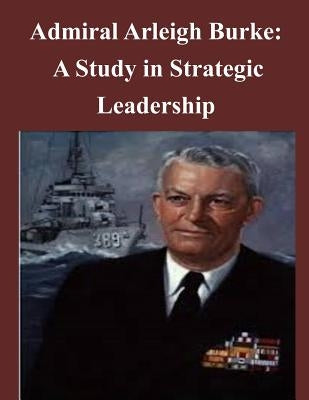
In a surprise move during the summer of 1955 the Secretary of the Navy selected Rear Admiral Arleigh Burke over 92 more senior admirals to become the Navy's next Chief of Naval Operations. The junior admiral went on to serve an unprecedented three terms as the Navy's principal leader, a record yet to be broken. With no formal leadership instruction aside from his Naval Academy days and abbreviated experience at the senior operational level, Burke nonetheless became a prolific strategic level leader. At the height of the Cold War Burke led the Navy through a transition in technology, moving from an era of bullets and propellers to one of guided missiles and jets. Under his watch nuclear propulsion became the standard for all US submarines while the Navy greatly enhanced its contribution to the nation's strategic nuclear capability with nuclear missile submarines. In driving these transitions Burke left his mark on Navy culture and morale, shaking the service out of the doldrums and reinvigorating it. Today's military leaders arerequired to deal with a large degree of ambiguity. Understanding how previous leaders dealt with complex issues may help current and future leaders understand how to deal with difficult issues effectively. It may also help leaders understand circumstances as they exist today by examining the visions and decisions of strategic leaders in the past.
Author: U. S. Army Command and General Staff Col
Publisher: Createspace Independent Publishing Platform
Published: 03/28/2014
Pages: 86
Binding Type: Paperback
Weight: 0.49lbs
Size: 11.02h x 8.50w x 0.18d
ISBN13: 9781497461642
ISBN10: 1497461642
BISAC Categories:
- History | Military | Naval
Author: U. S. Army Command and General Staff Col
Publisher: Createspace Independent Publishing Platform
Published: 03/28/2014
Pages: 86
Binding Type: Paperback
Weight: 0.49lbs
Size: 11.02h x 8.50w x 0.18d
ISBN13: 9781497461642
ISBN10: 1497461642
BISAC Categories:
- History | Military | Naval
This title is not returnable
CUSTOMER REVIEWS
Write A Review