

Description
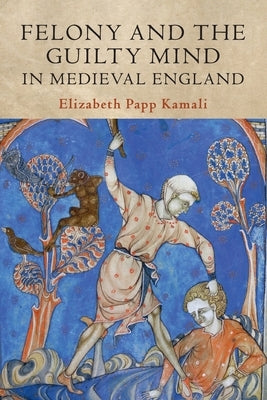
This book explores the role of mens rea, broadly defined as a factor in jury assessments of guilt and innocence from the early thirteenth through the fourteenth century - the first two centuries of the English criminal trial jury. Drawing upon evidence from the plea rolls, but also relying heavily upon non-legal textual sources such as popular literature and guides for confessors, Elizabeth Papp Kamali argues that issues of mind were central to jurors' determinations of whether a particular defendant should be convicted, pardoned, or acquitted outright. Demonstrating that the word 'felony' itself connoted a guilty state of mind, she explores the interplay between social conceptions of guilt and innocence and jury behavior. Furthermore, she reveals a medieval understanding of felony that involved, in its paradigmatic form, three essential elements: an act that was reasoned, was willed in a way not constrained by necessity, and was evil or wicked in its essence.
Author: Elizabeth Papp Kamali
Publisher: Cambridge University Press
Published: 07/09/2020
Pages: 352
Binding Type: Paperback
Weight: 1.14lbs
Size: 9.00h x 6.00w x 0.79d
ISBN13: 9781108712743
ISBN10: 1108712746
BISAC Categories:
- History | Europe | Great Britain | General
Author: Elizabeth Papp Kamali
Publisher: Cambridge University Press
Published: 07/09/2020
Pages: 352
Binding Type: Paperback
Weight: 1.14lbs
Size: 9.00h x 6.00w x 0.79d
ISBN13: 9781108712743
ISBN10: 1108712746
BISAC Categories:
- History | Europe | Great Britain | General
This title is not returnable
CUSTOMER REVIEWS
Write A Review