
Facility Verification
Please verify the inmate's facility before purchasing.
This Publication is Restricted at this Facility.
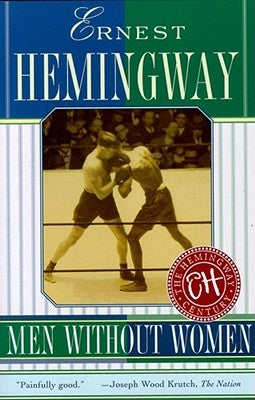

Description
Author: Ernest Hemingway
Publisher: Scribner Book Company
Published: 02/21/1997
Pages: 160
Binding Type: Paperback
Weight: 0.31lbs
Size: 7.94h x 5.46w x 0.37d
ISBN13: 9780684825861
ISBN10: 0684825864
BISAC Categories:
- Fiction | Classics
- Fiction | Literary
About the Author
Ernest Hemingway did more to change the style of English prose than any other writer of his time. Publication of The Sun Also Rises and A Farewell to Arms immediately established Hemingway as one of the greatest literary lights of the twentieth century. His classic novel The Old Man and the Sea won the Pulitzer Prize in 1953. Hemingway was awarded the Nobel Prize for Literature in 1954. His life and accomplishments are explored in-depth in the PBS documentary film from Ken Burns and Lynn Novick, Hemingway. Known for his larger-than-life personality and his passions for bullfighting, fishing, and big-game hunting, he died in Ketchum, Idaho on July 2, 1961.