
Facility Verification
Please verify the inmate's facility before purchasing.
This Publication is Restricted at this Facility.

Description
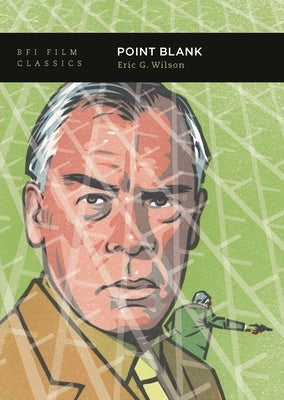
John Boorman's Point Blank (1967) has long been recognised as one of the seminal films of the sixties, with its revisionary mix of genres including neo-noir, New Wave, and spaghetti western. Its lasting influence can be traced throughout the decades in films like Mean Streets (1973), Reservoir Dogs (1992), Heat (1995), The Limey (1999) and Memento (2000).
Eric Wilson's compelling study of the film examines its significance to New Hollywood cinema. He argues that Boorman revises traditional Hollywood crime films by probing a second connotation of 'point blank'. On the one hand, it is a neo-noir that aptly depicts close range violence, but, it also points toward blankness, a nothingness that is the consequence of corporate America unchecked, where humans are reduced to commodities and stripped of agency and playfulness. He goes on to reimagine the film's experimental style as a representation of and possible remedy for trauma. Examining Boorman's formal innovations, including his favouring of gesture over language and blurring of boundaries between dream and reality, he also positions the film as a grimly comical exploration of toxic masculinity and gender fluidity. Wilson's close reading of Point Blank reveals it to be a film that innovatively inflects its own generation and speaks powerfully to our own, arguing that it is this amplitude, which encompasses the many major films it has influenced, that qualifies the film as a classic.Author: Eric G. Wilson
Publisher: British Film Institute
Published: 09/07/2023
Pages: 112
Binding Type: Paperback
Weight: 0.65lbs
Size: 7.10h x 5.60w x 0.60d
ISBN13: 9781839025761
ISBN10: 183902576X
BISAC Categories:
- Performing Arts | Film | History & Criticism
About the Author
Eric Wilson is Professor of English at Wake Forest University, USA. His publications include Secret Cinema: Gnostic Vision in Film (2006), The Strange World of David Lynch: Transcendental Irony from Eraserhead to Mulholland Dr (2007). His writing has featured in Psychology Today, L.A. Times, The New York Times and Huffington Post.