

Description
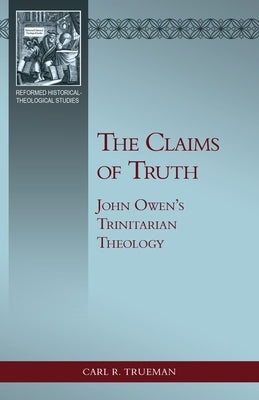
Carl Trueman analyses the theology of the great Puritan theologian, John Owen, paying particular attention to his vigorous trinitarianism. To understand Owen, we need to see him as a seventeenth-century representative of the Western trinitarian and anti-Pelagian tradition. Trueman demonstrates how Owen used the theological insights of patristic, medieval, and Reformation theologians to meet the challenges posed to Reformed Orthodoxy by his contemporaries. A picture emerges of a theologian whose thought represented a critical reappropriation of aspects of the Western tradition for the purpose of developing a systematic restatement of Reformed theology capable of withstanding the assaults of both the subtly heterodox and the openly heretical.
Table of Contents:
1. Owen in Context
2. The Principles of Theology
3. The Doctrine of God
4. The Person and Work of Christ
5. The Nature of Satisfaction
6. The Man Who Wasn't There
Appendix One: The Role of Aristotelian Teleology in Owen's Doctrine of Atonement
Appendix Two: Owen, Baxter, and the Threefold Office
Author: Carl Trueman
Publisher: Reformation Heritage Books
Published: 11/27/2021
Pages: 288
Binding Type: Paperback
Weight: 0.80lbs
Size: 8.40h x 5.40w x 0.60d
ISBN13: 9781601788818
ISBN10: 1601788819
BISAC Categories:
- Religion | Christian Theology | Systematic
- Religion | Christian Theology | Christology
About the Author
Carl R. Trueman is professor of biblical and religious studies at Grove City College.