
Facility Verification
Please verify the inmate's facility before purchasing.
OR
This Publication is Restricted at this Facility.

Description
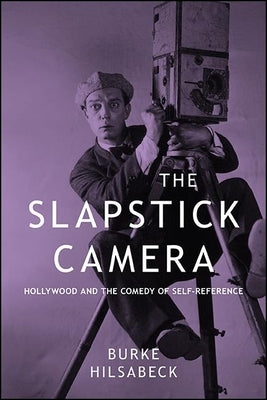
Slapstick film comedy may be grounded in idiocy and failure, but the genre is far more sophisticated than it initially appears. In this book, Burke Hilsabeck suggests that slapstick is often animated by a philosophical impulse to understand the cinema. He looks closely at movies and gags that represent the conditions and conventions of cinema production and demonstrates that film comedians display a canny and sometimes profound understanding of their medium--from Buster Keaton's encounter with the film screen in Sherlock Jr. (1924) to Harpo Marx's lip-sync turn with a phonograph in Monkey Business (1931) to Jerry Lewis's film-on-film performance in The Errand Boy (1961). The Slapstick Camera follows the observation of philosopher Stanley Cavell that self-reference is one way in which "film exists in a state of philosophy." By moving historically across the studio era, the book looks at a series of comedies that play with the changing technologies and economic practices behind film production and describes how comedians offered their own understanding of the nature of film and filmmaking. Hilsabeck locates the hidden intricacies of Hollywood cinema in a place where one might least expect them--the clowns, idiots, and scoundrels of slapstick comedy.
Author: Burke Hilsabeck
Publisher: State University of New York Press
Published: 01/02/2021
Pages: 218
Binding Type: Paperback
Weight: 0.72lbs
Size: 9.00h x 6.00w x 0.50d
ISBN13: 9781438477305
ISBN10: 1438477309
BISAC Categories:
- Performing Arts | Film | History & Criticism
- Humor | General
Author: Burke Hilsabeck
Publisher: State University of New York Press
Published: 01/02/2021
Pages: 218
Binding Type: Paperback
Weight: 0.72lbs
Size: 9.00h x 6.00w x 0.50d
ISBN13: 9781438477305
ISBN10: 1438477309
BISAC Categories:
- Performing Arts | Film | History & Criticism
- Humor | General
About the Author
Burke Hilsabeck is Assistant Professor of English at the University of Northern Colorado.
This title is not returnable